
When I first wrote about Generative Engine Optimization (GEO) and its role in the future of AI-driven marketing, the concept was still relatively new.
You can read the original article here:
Mastering GEO: AI Strategies for Marketing Success in China
Recently, however, the topic has gained much more attention in China following coverage during the 315 Consumer Rights Day broadcast, where certain vendors were accused of manipulating AI systems.
Shortly after the news broke, several of my clients reached out with the same question:
“Does this mean GEO is unethical?”
The short answer is no.
But the incident did highlight an important distinction that the industry is now confronting: the difference between Black-Hat GEO and White-Hat GEO.
For businesses exploring AI marketing strategies, understanding this difference is critical.
The 315 Incident in Brief
Every year on March 15, China’s Consumer Rights Day broadcast exposes problematic business practices across different industries.
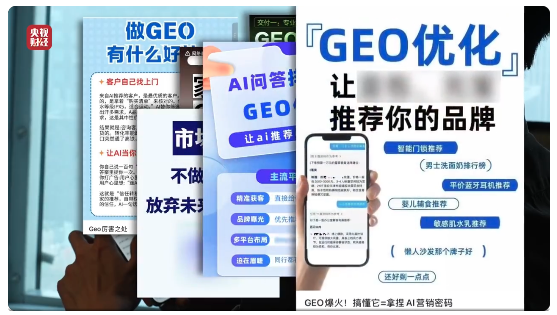
One segment this year focused on what was described as “AI poisoning”.
Source: https://weibo.com/2258727970/Qwf27ElDf
The report claimed that some vendors were selling GEO-related services that attempted to manipulate AI models by:
- publishing large volumes of promotional content
- fabricating product information
- flooding the internet with advertorial articles designed to influence AI answers
In one test referenced in the report, fabricated information about a non-existent smart bracelet was distributed online, after which certain AI systems began recommending the product.
The issue raised concerns about how AI systems gather information from the internet and whether bad actors could attempt to manipulate that process.
The key takeaway from the incident is not that GEO itself is problematic, but rather that some vendors have begun experimenting with manipulative tactics.
For businesses that have been legitimately exploring GEO strategies, the news understandably created confusion.
Why Some Businesses Became Concerned
After the 315 coverage, several clients contacted me worried that their GEO efforts might suddenly be perceived as unethical or risky.
In reality, what was exposed during the broadcast aligns with practices that would clearly fall under Black-Hat GEO.
These tactics are fundamentally different from how ethical GEO strategies operate.
For businesses new to AI marketing, the headlines may make GEO sound intimidating.
But understanding the difference between manipulating AI systems and helping them understand your brand makes things much clearer.
What Is Black-Hat GEO?
Black-Hat GEO refers to attempts to artificially manipulate how AI systems retrieve or recommend information.
These tactics are designed to exploit how large language models gather and synthesize data.
Common examples include:
Fabricating Information
Publishing promotional articles about products or services that do not exist, or exaggerating product capabilities to influence AI responses.
Mass Content Flooding
Some vendors attempt to influence AI outputs by distributing large volumes of promotional articles across multiple websites.
The goal is to create the illusion that certain claims about a brand are widely supported online.
AI Answer Manipulation
Some GEO services advertise the ability to control AI answers or rankings, promising brands that they can guarantee placement within AI-generated responses.
These claims are misleading and often unrealistic.
Spam-Based AI Influence
Another tactic involves publishing low-quality articles designed purely to be scraped by AI systems, with the hope that they influence AI recommendations.
Why Black-Hat GEO Is a Problem
These practices create risks for both consumers and businesses.
Distorted AI Information
AI systems rely on publicly available content. Flooding the web with fabricated promotional content can distort the information ecosystem.
Consumer Misinformation
Users increasingly rely on AI assistants for recommendations. If those answers are manipulated, consumers may receive inaccurate or misleading advice.
Regulatory Attention
Regulators are already signalling that AI-generated advertising and AI manipulation will become areas of closer scrutiny.
Businesses that rely on deceptive tactics may face legal or reputational consequences.
What Is White-Hat GEO?
In contrast, White-Hat GEO focuses on helping AI systems understand accurate information about a brand.
Rather than manipulating AI models, ethical GEO strategies focus on clarity, credibility, and discoverability.
This approach is much closer to how modern SEO works today.
White-Hat GEO typically involves:
Understanding Real User Questions
By analysing how consumers search and interact with AI assistants, businesses can identify the real questions users are asking.
Content can then be created to provide clear and helpful answers.
Publishing Accurate Brand Information
White-Hat GEO relies on fact-based information, including:
- product details
- brand expertise
- customer use cases
- educational content
This gives AI systems reliable sources to reference.
Structuring Content for AI Understanding
AI systems process information differently from traditional search engines.
Clear headings, well-structured explanations, and authoritative sources make it easier for AI models to understand and cite brand information.
Building Credible Digital Signals
AI models often rely on signals from trusted online platforms and reputable publications.
White-Hat GEO focuses on building credibility across legitimate channels.
GEO Today Is Similar to SEO in the Early 2000s
The current GEO debate is very similar to what happened with search engine optimization two decades ago.
Early SEO included tactics such as:
- keyword stuffing
- link farms
- hidden text
Over time, search engines improved their algorithms and began prioritizing content quality and user value.
GEO is likely to follow the same path.
As AI systems become more sophisticated, they will become better at identifying credible information versus manipulated content.
This means that businesses focusing on authentic, high-quality information will benefit the most in the long run.
The Future of GEO and AI Marketing
AI assistants and generative search are quickly becoming one of the main ways people discover information online.
As that shift continues, GEO will naturally become part of the digital marketing playbook.
But the real question isn’t whether businesses should be thinking about GEO — it’s how they approach it.
Companies that focus on helping AI systems understand genuine, useful information about their brand will build lasting visibility.
Those trying to manipulate AI outputs may see short-term gains, but those tactics rarely hold up as technology and regulation evolve.
If AI becomes the next layer of search, credibility may well become the most powerful ranking signal.
Looking to grow your brand in China? Let’s talk. With the right strategy and local insight, navigating the China market doesn’t have to be guesswork.