After nearly six years, I finally made it back to China — a place that played a pivotal role in shaping both my professional path and personal growth.
This trip took me from the bustling streets of Shanghai to the energetic innovation hub of Shenzhen. For those who know me, China isn’t just a market I work in — it’s where my career began, and where I learned to navigate the fast-moving, ever-changing world of digital marketing.
Lived Around the World — But Never Far From China
I spent nearly a decade living in Shanghai, and even after relocating to London, I remained closely tied to the China digital ecosystem. My work has always centered around bridging East and West — helping Chinese brands go global and supporting international brands in entering the Chinese market.
But to truly understand China, you have to be in China. You have to breathe the air, feel the pace, and immerse yourself in the platforms that shape consumer behavior every day.
Then came COVID. Travel paused. And just as the world started reopening, I became a mum — which shifted my focus in many wonderful ways. Still, I continued to work with China every day, using WeChat, Baidu, Xiaohongshu (RED), Douyin, and more. I even kept my China Unicom number active. But despite the familiarity, something was missing.
This was my first proper business trip since stepping into motherhood, and I’m thankful that my husband fully supported the idea, bravely taking on solo parenting for the eight days I was away.
The Business of Digital Marketing in China
Before I even landed, I returned to a familiar guilty pleasure: Taobao. I ordered educational toys and books (in Mandarin) for my child — things I couldn’t get in Australia — and had them delivered to a friend’s place in Shanghai. It reminded me how China’s e-commerce ecosystem remains unmatched in convenience and scale.
Arriving at Pudong Airport, the familiarity hit immediately — from the scent of the terminal to the illuminated tech billboards. One noticeable change? Fingerprint scanners for foreigners at immigration, a sign of China’s continued investment in tech infrastructure.
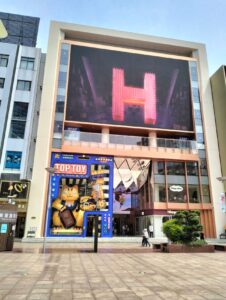
I stayed near Nanjing West Road, just minutes from my old apartment. The neighbourhood had evolved — stylish new storefronts, aesthetic cafés, and ‘Little Red Book-worthy’ concept stores were everywhere. But what struck me most was what hadn’t changed: the same old watch repairman on Feng yang Road. The same masseuse still at the same spot at Tian yao qiao Road. Shanghai’s charm is in its contrasts — where heritage meets modernity.

Observations on China’s Digital Ecosystem
A few things stood out during this visit:
-
E-scooters are now everywhere — even on sidewalks. It’s chaotic, but also a reflection of how on-demand logistics power China’s digital economy.
-
Mobile-first behavior is more dominant than ever. Whether it’s ordering a contact lens solution or reserving a restaurant table, everything happens through a smartphone.
-
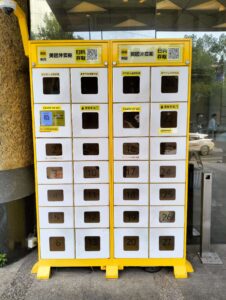
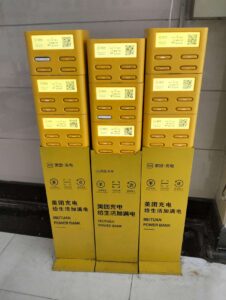
Power bank rentals are ubiquitous — a small but telling indicator of how deeply integrated mobile tech is in everyday life.
Marketing in Shenzhen: The Silicon Valley of China
Shenzhen, often called China’s Silicon Valley, had a completely different energy. It’s fast, bold, and slightly raw. The average age in Shenzhen is around 33 years old (Stat source: Shenzhen Statistical Yearbook), making it one of the youngest major cities in China. With companies like Huawei, Tencent, and DJI headquartered here, Shenzhen is where tech dreams are built.
If Shanghai is polished and cosmopolitan, Shenzhen is ambitious and hungry. It’s no surprise that so many Chinese millennials and Gen Z professionals flock here to pursue careers in tech, innovation, and digital commerce.
Beneath the surface, however, a deeper shift is unfolding. While the streets are buzzing and store footfall is high, it’s clear that consumer behavior has evolved. Shoppers today are more selective and value-driven — a contrast to the free-spending habits that once defined the post-payday weekends or e-commerce mega-sales. People are prioritizing quality, function, and trust in the brands they buy from. For marketers, this means standing out now requires real value and resonance, not just noise.
Real Connections Still Matter in Chinese Marketing
The best part of this trip? Reconnecting with old colleagues, clients, and friends.
Some of them I’ve been chatting with regularly on WeChat — it never felt like we’d been apart. For others, it was the first in-person catch-up in years. What made it even more rewarding was realizing how many of these people have now become my long-term clients, collaborators, or agency partners. I’m genuinely thankful for their continued trust and support.
These relationships are what doing business in China is really about: trust, guanxi (关系), and showing up.
Reflections on My China Journey
I moved to Shanghai in my mid-20s — with no job lined up, no idea what Baidu was, and zero knowledge of Chinese marketing platforms. I left years later as the Shanghai and digital Lead for an independent PR agency, and eventually made my way to London, and now Perth, to continue building cross-border strategies for global clients.
China shaped me. It taught me resilience, agility, and the importance of listening — truly listening — to local culture, user behavior, and nuance.
This trip reminded me why I love what I do. And while it was a solo work trip this time, I hope one day to return with my little family and share this chapter with them too.
Are You Looking to Market Your Brand in China?
Whether you’re a Western brand trying to enter China, or a Chinese company going global, I’d love to connect.
With over a decade of experience across both Chinese and international markets, I can help you navigate platform strategy, influencer partnerships, localized content, and go-to-market planning.